Questions
Everything people ask about getting dressed.
What to wear, what to buy, how to photograph it and how to find it again. Short answers, from the people building a closet app with a personal AI stylist in it, with how Fluntr helps where it actually does. Fluntr is pre-launch; nothing here is a promise.
What to wear
The question that started the app.
- What should I wear today?
- Start from what you own, not from a shop. Pick the one piece you actually feel like wearing, then build around it: one top, one bottom, one layer, shoes. Fluntr does this for you once your closet is photographed: open the app, ask Kween "what should I wear today", and she pulls three outfits from your own clothes, weather and occasion included.
- I have a full wardrobe and nothing to wear. Why?
- Because you cannot see it. Most people wear about a fifth of what they own, and the rest is folded under something else. The fix is not more clothes, it is a view of all of them at once. That is exactly what a digital wardrobe app does: every piece in a grid, so the forgotten half comes back into rotation.
- What to wear to a wedding as a guest in India?
- Match the event, not the couple. Sangeet and mehendi take colour and movement: a lehenga, a sharara, a bright kurta set, a printed saree. The wedding ceremony takes richer fabric and more cover: silk, brocade, a bandhgala or a sherwani for men. The reception is where you go darker and sleeker. Avoid red at a North Indian wedding and white at most of them unless you have asked. If you have the pieces already, Fluntr can lay the three looks out side by side before you decide.
- What should I wear on a first date?
- Something you have worn before and felt good in. A first date is not the day to break in new shoes or a new silhouette. Dress one notch above the venue, keep one thing that is unmistakably you (a colour, a watch, an earring), and make sure you can sit, walk and eat in it. Lay two options out the night before and sleep on it.
- What do I wear to the office when there is no dress code?
- Build a uniform. Two or three combinations that always work (a shirt and tailored trousers, a knit and a straight skirt, a kurta and cigarette pants) and rotate them. "No dress code" usually means "do not make us notice", so aim for clean, fitted and unfussy. A closet app helps here because it shows you which of your pieces already combine into those uniforms.
- What to wear for college every day without repeating?
- You will repeat, and nobody minds. What reads as "new" is the combination, not the piece. Ten tops and five bottoms are fifty outfits before you add a single layer. Photograph them once and let an outfit planner count the combinations for you; most people are surprised how many they already have.
- What should I wear in the Indian summer that still looks put together?
- Cotton, linen and anything loose that moves air: an oversized shirt over a tank, wide trousers, a cotton kurta, a slip dress with flat sandals. Light colours reflect heat and hide sweat worse, so pick mid-tones (sage, sand, dusty blue) over white. Keep one light layer for over-air-conditioned rooms.
- How do I plan outfits for the whole week?
- On Sunday, check the week: meetings, dinners, a trip, a wedding. Pick one outfit per day from your closet, photograph or save each one, and hang them in order. Fluntr lets you plan a day in the app from your own closet and look back at what you wore, so the Tuesday panic stops happening.
Indian wedding guest outfits
Haldi to reception: every function, every role, every region.
- What to wear to a haldi ceremony as a guest?
- Yellow is the default, but any bright colour you can wash works: mustard, marigold, lime, peach. Choose cotton or mulmul over silk, because haldi paste stains and the ceremony is usually outdoors in daylight. Women do well in a cotton kurta set, a light anarkali or a printed saree; men in a yellow or white cotton kurta with churidar or straight pants. Skip anything dry-clean-only or precious, and wear flat sandals or kolhapuris rather than heels on a lawn.
- What to wear to a cocktail party before an Indian wedding?
- The cocktail is the most western night of an Indian wedding, so this is where gowns, sequinned or pre-draped sarees, jumpsuits and indo-western sets belong. Darker and metallic colours that families avoid on the wedding day, black included, are usually welcome here. Men can wear a suit without a tie, a bandhgala, or a dark kurta with a velvet or brocade jacket. Dress for dancing: a hem you can move in and shoes you can stand in for hours.
- What to wear to an Indian wedding reception?
- Receptions are in the evening, usually formal, and photographed from every angle. Women: a silk or embellished saree, a lehenga, or a heavy anarkali or gown; jewel tones like emerald, wine and sapphire, and embroidered pastels, both look good under stage lights. Men: a bandhgala, a well-cut suit, or a sherwani if you are close family. If your heaviest outfit went to the wedding, re-style a lighter one from an earlier function with bigger jewellery.
- What colours should I avoid at an Indian wedding?
- Head-to-toe red, because in many North Indian families it is the bride’s colour. All-white and all-black are worth checking first: some Hindu families associate white with mourning and black with bad luck on auspicious days, while other communities are relaxed about both, and white with gold is traditional in Kerala. When in doubt, ask the family, or pick jewel tones, pastels or festive brights, which are welcome everywhere.
- How many outfits do I need for a three-day Indian wedding?
- Usually one per function: haldi (washable, bright), mehendi (comfortable, colourful), sangeet (easy to dance in, a bit of sparkle), the wedding (your most traditional) and the reception (evening, formal). That is five, but they do not all need to be new. Wear one lehenga skirt with two different blouses, swap dupattas, or move the sangeet outfit to the reception with heavier jewellery. Plan them on a calendar before you shop so you can see the real gaps; Fluntr’s outfit calendar is made for exactly this.
- How do I repeat a wedding outfit without it looking repeated?
- Change the two things people remember: the colour near your face and the shape. A new dupatta or a contrast blouse changes a lehenga completely, and wearing the skirt with a crop top or a long jacket changes the silhouette. Switch gold jewellery for silver or oxidised, change the hair, and it is a new outfit. It also helps to remember who saw which outfit at which wedding, which is what the wear history in Fluntr keeps for you.
- What should I wear to a South Indian wedding as a guest?
- Silk is the safe and respectful choice: a Kanjeevaram or other silk saree, or a pattu pavadai or half-saree for younger guests. Men wear a veshti or mundu with a silk or linen shirt, or a kurta. Many ceremonies start early in the morning, so think daylight colours with gold borders: mustard, green, pink, peacock blue, with temple jewellery. Wear footwear that slips off easily, since you may leave it outside the hall or temple.
- What should I wear to a destination wedding in Goa or Udaipur?
- Check the weather before choosing outfits. Goa is warm and humid most of the year, so pick breathable fabrics like cotton, linen, chiffon and organza, lighter lehengas, and flats that work on sand. Rajasthan in wedding season is warm by day and cold at night, so add a shawl, a velvet jacket or a structured blazer for the evenings. Pack outfits that share accessories, and roll heavy embroidery in muslin rather than folding it.
- What should I wear to a court marriage or a small registry wedding?
- Smart and simple: a pastel or ivory saree, a chikankari kurta set, or a midi dress if the couple is not traditional; for men, a crisp kurta or a shirt with tailored trousers. It is a daytime event built around paperwork and a lunch, so nothing heavy, and nothing that competes with the couple in photos.
- What should the bride’s or groom’s siblings wear?
- Coordinate with the family rather than with the couple. Agree a colour family for each function so the photos look intentional without everyone matching, and go a shade lighter or darker than the bride and groom so they stand out. Siblings are on their feet all day, so choose a lehenga or saree you can run around in, a sherwani or bandhgala that still fits when you sit, and shoes you have already worn in.
Festival and occasion dressing
Diwali, Navratri, Eid, Onam, Pongal, Christmas, and every sangeet in between.
- What should I wear for Diwali?
- Diwali is the one night a year to wear the brightest thing you own. For women: a silk or chanderi kurta set, a lehenga in a jewel tone, or a saree with a modern blouse. For men: a kurta in a deep colour with a Nehru jacket, or a bandhgala if the dinner is formal. Gold works with everything. Before you shop, check what is already in your closet from last year; most people own two Diwali outfits they have forgotten.
- Eid outfit ideas that are not the same as last year?
- Change one thing, not everything. Same kurta, new dupatta. Same sharara, different colour top. A pathani with a textured waistcoat instead of plain. Pastels and ivory are the current Eid palette; add one piece of colour and one piece of shine. Photograph last year’s outfit first so you are not accidentally buying its twin.
- What do I wear to a sangeet or a mehendi?
- Sangeet: anything you can dance in for four hours, in a colour that photographs under stage lights. Mehendi: sleeves you can push up, a hemline that will not drag through the henna, and shades of green, yellow or pink if you want to match the day. Both are daytime-to-evening events, so bring a layer.
- What should I wear for Onam or Pongal?
- Onam calls for the kasavu saree or mundu, off-white with a gold border, and jasmine in the hair. Pongal is similar in spirit: a cotton or silk saree in bright colours, a veshti and shirt for men. Both are daytime, outdoor and warm, so natural fabrics and flat footwear.
- Christmas and New Year outfit ideas for India?
- Christmas lunch wants warmth and a bit of red or green: a knit over a dress, a velvet shirt, a tartan something. New Year’s Eve wants shine: sequins, satin, metallic shoes. If you are going from one straight to the other, make the Christmas outfit the base and swap the top layer for the night.
- How do I avoid buying a new outfit for every festival?
- Keep a festive capsule: two tops, two bottoms, one lehenga or one sherwani, three dupattas or stoles, and one pair of good juttis. Mix them. Recorded in a closet app with the dates you wore each one, you can see at a glance that the green kurta did Diwali and Eid last year and is due a rest, while the ivory one has not been out at all.
- What should I wear for Durga Puja?
- Red and white is the classic, especially the red-bordered white or off-white saree for Ashtami and for sindoor khela on Dashami. Across the five days people rotate through cotton taant and silk sarees, Dhakai jamdani and new kurta sets for pandal hopping, while men wear a dhoti or pyjama with a panjabi. Pandal hopping means hours of walking in crowds, so choose breathable fabric and footwear you trust.
- What should I wear for Holi?
- Old whites, ideally cotton you do not mind losing: a white kurta, tee or shirt with cotton pants. White makes the colours look beautiful in photos, and dark clothes will not save you from stains anyway. Avoid silk and synthetics that cling when wet, wear full sleeves if your skin is sensitive, and pick old sneakers or closed sandals. Oil your hair and skin before going out so the colour washes off more easily.
- What should I wear for Karva Chauth?
- Red, maroon, pink and orange are traditional, often a saree or lehenga from your wedding or a festive suit, with bangles, sindoor and mehendi. The evening includes the puja and waiting for moonrise, so choose something comfortable to sit in for a long time, and keep a light shawl for the night chill in North India.
- What should I wear for Raksha Bandhan?
- It is a family morning at home, so think festive but easy: a cotton or chanderi kurta set, a light lehenga skirt with a top, or a pastel saree; for brothers, a kurta with jeans or churidar. Pick colours that look good in daylight photos, like yellow, coral, mint and powder blue, because everyone will want a picture with the rakhi.
- What should I wear for Ganesh Chaturthi?
- In Maharashtra the classic is a nauvari or Paithani saree with a nath and green bangles for women, and a kurta with dhoti or pyjama and a Nehru jacket for men. Elsewhere, bright kurta sets in yellow, orange, red and green are common. For the visarjan procession, wear something you can walk and dance in for hours, and nothing delicate near the gulal.
- What should I wear for Lohri or Baisakhi?
- Punjabi festive dressing: a bright Patiala salwar suit, or a phulkari dupatta over a plain suit, with juttis for women; a kurta pyjama with a colourful Nehru jacket for men, with a turban or patka for those who wear one. Lohri is a January night around a bonfire, so add a shawl or jacket; Baisakhi falls in April, so stick to cotton.
- What should I wear for Teej?
- Green is the colour of Hariyali Teej, along with leheriya, the wave-dyed Rajasthani pattern, in greens, pinks and yellows. A leheriya saree or suit with green bangles and mehendi is the classic combination. Teej falls in the monsoon, so prefer cotton, chiffon or georgette that dries quickly over heavy silk.
Everyday occasions
Interviews, temples, pujas, flights, farewells, and the days in between.
- What should I wear to a job interview in India?
- Dress one step more formal than the people who already work there. For corporate roles: a solid shirt with tailored trousers, or a blazer, for men; a formal shirt and trousers, a blazer, or a plain kurta set or cotton saree in a muted colour for women. For startups and creative roles, smart casual is safer: a plain, well-fitting shirt or top, chinos or dark jeans without rips, and clean shoes. Iron everything and skip anything you will fidget with.
- What should I wear on my first day at a new job?
- Go slightly smarter than you expect the office to be, then adjust after watching for a week. A plain shirt or top, tailored trousers or a straight kurta set, and closed, comfortable shoes work almost anywhere. Avoid brand-new shoes, because you will be walking around being introduced. Plan the first week’s outfits the night before so mornings are calm.
- What should I wear to an office party?
- If it is in the office straight after work, keep your work outfit and change one thing: statement earrings, a silk top, or a printed jacket in place of the blazer. If it is at a restaurant in the evening, dress for a nice dinner rather than a nightclub, because your colleagues will see the photos on Monday. For a Diwali office party, a festive kurta or a light saree is always welcome.
- What should I wear to a temple?
- Cover your shoulders and knees, and wear something you can sit cross-legged in: a kurta set, a saree, a long skirt with a top, or for men a kurta or shirt with full-length trousers or a dhoti. Leave leather belts and bags behind where a temple asks for it, and choose shoes that are easy to leave at the entrance. Some temples, especially in Kerala and Tamil Nadu, enforce a dress code (a mundu or dhoti for men, a saree or salwar for women), so check before you go.
- What should I wear for a puja at home?
- Something clean, traditional and comfortable to sit on the floor in: a cotton or silk kurta set, a saree, or a kurta with pyjama or dhoti. Many families prefer new or freshly washed clothes in bright, auspicious colours such as yellow, red, orange and green, and avoid black. Skip anything tight or short, since you will be sitting, bending and moving around the fire.
- What should I wear to a funeral or prayer meeting in India?
- In most Hindu, Sikh and Jain families, white or off-white is the norm, and pale, muted colours are always safe: a plain white or light cotton kurta set or saree, or a white shirt with plain trousers. Avoid bright colours, shine, heavy jewellery and anything that draws attention. Christian and Muslim families may expect black or dark colours instead, so follow the family’s custom if you know it.
- What should I wear to a baby shower or godh bharai?
- Festive daywear works for guests: a pastel or bright kurta set, a light saree, an anarkali or a flowy dress; men in a kurta or a smart shirt. If you are the mother-to-be, choose a soft, stretchy lehenga or an empire-waist anarkali in the colour your family uses for the ritual (often green or yellow), with flat shoes.
- What should I wear for a college farewell?
- In many Indian colleges the farewell is saree day, and a first saree is a big moment. Pick a light chiffon, georgette or pre-draped saree that is easy to manage, in a colour your friends are not wearing, and practise draping it once before the day. If saree is not the theme, a lehenga skirt with a crop top, a co-ord or a dress works; boys usually wear a kurta set or a blazer with a shirt.
- What should I wear to a convocation or graduation?
- You will be under a gown in most photos, so focus on what shows: the collar, the sleeves and the shoes. A crisp shirt or a solid kurta, tailored trousers or a cotton saree, and shoes you can walk across a stage in. Avoid bulky collars and loud prints that fight with the gown and sash.
- What should I wear to the airport or on a long flight?
- Comfort that still looks deliberate: soft trousers or joggers, a cotton tee or shirt, a layer because planes are cold, and slip-on shoes for security. Wear your bulkiest shoes and jacket to save luggage space. On long flights, pick breathable fabrics and avoid jeans that dig in after hours of sitting.
- What should I wear for brunch?
- Easy daytime pieces: a linen shirt, a co-ord set, a midi dress, or a short kurta with straight jeans, plus clean sneakers or sandals. Light colours and prints look good in daylight photos.
- What should I wear to a concert or music festival in India?
- Plan for standing, heat and crowds: breathable fabric, a crossbody bag, closed shoes you can stand in for hours, and a layer for winter shows outdoors in North India. Black tees and denim are the default at rock gigs; at big festivals people go brighter, with co-ords and statement sunglasses. Do not wear anything you would worry about in a crowd.
Menswear
Office, kurtas, weddings and the basics every man should own.
- What should men wear to the office in India?
- For most offices: solid or subtly patterned shirts (white, light blue, pale pink, grey), chinos or tailored trousers in navy, grey, beige or olive, a leather belt that matches the shoes, and loafers or derbies. In smart-casual offices, a polo or a plain knit tee with chinos works, and many offices welcome a cotton or linen kurta on Fridays. Fit is what makes it look expensive: shoulders that end at your shoulder, trousers that do not pool at the shoe.
- What kurta should a man wear to a wedding?
- For the main ceremony: a silk or brocade kurta in ivory, gold, maroon, navy or bottle green, with churidar or straight pants, and a Nehru jacket or bandhgala if you want it more formal. For haldi and mehendi: cotton or linen in yellow, mint or pastel prints. For the sangeet: a darker kurta with a velvet or embroidered jacket. Close family can wear a sherwani; guests usually stop at kurta and jacket so they do not outshine the groom.
- What shoes go with a kurta?
- Mojaris or juttis for anything festive, kolhapuris or leather sandals for casual days and summer, loafers for a kurta with trousers or jeans, and plain white sneakers for a short kurta worn casually. Avoid sports shoes and formal lace-up oxfords with a traditional kurta; they fight the shape.
- Can men wear a kurta with jeans?
- Yes, and it is one of the most useful combinations there is: a short or mid-length cotton or linen kurta, dark straight jeans without heavy distressing, and loafers, sandals or white sneakers. Keep the kurta plain or subtly printed so the outfit looks intentional. Long, heavily embroidered kurtas look better with churidar or straight pants.
- What basic clothes should every man own in India?
- A starting set that covers almost everything: two white and two light blue shirts; a few plain tees in white, black, navy and grey; dark jeans, navy chinos and beige chinos; a navy blazer; two cotton kurtas (one white, one coloured) and one festive kurta with a jacket; white sneakers, brown loafers, kolhapuris and one pair of formal shoes. Add a light jacket if your city has a winter.
- How can a man look put together without much effort?
- Fit first, then grooming, then colour. Get trousers hemmed and shirt sleeves sorted; it costs little and changes everything. Keep shoes clean, stick to two or three colours per outfit, and tuck the shirt in when the trousers are tailored. A plain belt or one good watch does more than a big logo.
- What should men wear for Diwali?
- A kurta set in a festive colour (maroon, bottle green, mustard, navy, or ivory with gold), a Nehru jacket if you want to dress it up for a party, and mojaris or loafers. Silk and silk blends look best under diyas; cotton is safer if you are lighting crackers. Keep synthetics away from open flames.
- Which beard style suits my face shape?
- Use the beard to balance the face. Round face: a boxed beard, or one kept longer at the chin and tight on the cheeks, adds length. Square face: a slightly rounder, fuller beard softens a strong jaw. Oblong face: keep it fuller on the sides and short at the chin so the face doesn't look longer. Heart or triangle face: more fullness at the jaw balances a wider forehead. Oval: almost anything, from stubble to a full beard. Whatever the style, keep the neckline about a finger above the Adam's apple and the cheek line natural. Fluntr's face reading includes a beard and grooming guide for your shape, and can show a beard on your own selfie first.
Weather and travel
Monsoon, summer, North Indian winters, the hills, the beach, and packing light.
- What should I wear in the monsoon in India?
- Quick-drying fabrics and darker colours. Polyester blends, rayon and light synthetics dry far faster than cotton or denim, and dark or printed fabric hides splashes. Pick ankle-length or cropped trousers that do not drag through puddles, waterproof sandals instead of leather, and keep a light rain jacket in your bag. Avoid white, suede, silk and anything heavy that takes a day to dry indoors.
- Which fabrics are best for Indian summers?
- Cotton, linen, khadi, mulmul and chambray, in loose weaves and light colours. They breathe and absorb sweat, while polyester traps heat. A loose silhouette helps more than a short one: a loose linen shirt is cooler than a tight tank top. In humid cities like Mumbai and Chennai, linen and mulmul dry faster than heavy cotton.
- How do I dress for a Delhi winter without looking bulky?
- Layer thin rather than relying on one thick coat: a thermal inner, a fine knit, then a structured coat or a puffer you can take off indoors. If the top half is big, keep the bottom slim, with straight trousers or leggings under a kurta. A long wool coat over a kurta set looks festive, and a shawl or stole doubles as a wedding layer. Closed shoes and boots keep out more cold than you would expect.
- What should I wear in Bangalore weather?
- Layers. Mornings and evenings are cool and afternoons can be warm, so a tee or top with a light jacket, overshirt or shrug works most of the year. Keep a compact umbrella or a rain jacket handy from June to October, and a sweater for December and January evenings.
- What should I wear in Goa?
- By day: linen shirts, cotton dresses, shorts, kaftans and co-ords, with sandals or slides that work on sand. In the evening: something a little dressier for beach shacks and clubs. Pack a light layer for air-conditioned places and something that covers shoulders and knees for visiting churches. In the monsoon, switch to quick-drying fabrics.
- What should I wear in the hills in winter, like Manali or Shimla?
- Thermals as the base, a fleece or sweater in the middle, and a windproof, water-resistant jacket on top, plus a cap, gloves, woollen socks and shoes with good grip for snow and wet roads. Jeans get cold and stiff when wet, so lined trousers or track pants are better for snow days. Bring one warm but nicer layer for photos.
- How do I pack for a trip without overpacking?
- Plan outfits, not items. Choose two or three neutral colours and one accent so everything mixes, then plan one outfit per day from pieces that repeat: two bottoms, four or five tops, one layer and two pairs of shoes are enough for a week. Wear the bulkiest things while travelling. In Fluntr, add the trip and Kween plans outfits from your own closet and makes a packing list for the weather where you are going.
Trends and personal style
What is trending, what suits you, and how to wear it with what you own.
- How do I find out what is trending in fashion right now?
- Look for repetition across sources that are not connected. Scroll Instagram Reels and Explore, check what stores put in their “new in” sections, and notice what people around you actually wear. If the same piece, colour or shape shows up on three accounts that do not follow each other in the same week, it is a trend; if it comes from one creator, it is probably an ad. Before buying, check that it works with what you already own.
- Should I buy trendy clothes or classics?
- Mostly classics, with a small budget for trends. A useful split is about four parts basics to one part trend: the basics get worn every week, and the trend piece makes them feel current. Buy the trend in the least expensive version that still fits well, and only if you can name three things you already own that it goes with.
- How do I wear a trend without looking like everyone else?
- Take one element of the trend, not the whole look. If the trend is a colour, wear it in one piece; if it is a shape, pair it with your usual basics. Mixing a trend with something traditional, like a co-ord with juttis or a blazer over a kurta, almost always looks more personal than copying the reel exactly.
- What is the old money aesthetic and how do I wear it in India?
- Old money is a quiet, well-made look: neutral colours (cream, navy, camel, white, olive), good fabrics, no logos, and classic shapes like crisp shirts, tailored trousers, knitwear, loafers and simple gold jewellery. In Indian weather, translate it into linen shirts and trousers, plain or chikankari cotton kurta sets in ivory and beige, a pashmina instead of a heavy coat, and leather sandals or loafers. Fit and ironing matter more than price.
- What is quiet luxury in fashion?
- Clothes that look expensive because of fabric, fit and finish rather than logos: plain merino or cashmere knits, linen, silk, well-cut trousers, simple leather goods. You can get most of the effect for much less by choosing natural fabrics, a tight neutral palette, a good tailor, and nothing with a visible brand name.
- What is indo-western and how do I wear it?
- Indo-western mixes Indian and western pieces in one outfit: a kurta with jeans, a crop top with a lehenga skirt, a saree with a belt or a shirt-style blouse, dhoti pants with a blazer, a bandhgala over chinos. Keep one side clearly the base and add one piece from the other, and match the formality: a silk kurta with tailored trousers, a cotton kurta with denim.
- Are co-ord sets worth buying?
- Yes, if each piece also works on its own. A good co-ord is three outfits: the set, the top with your jeans, and the bottoms with a plain tee or kurta. Choose easy colours and comfortable fabrics like linen, cotton or a soft knit; very loud prints only work as a set.
- What colours suit Indian skin tones?
- There is no single Indian skin tone, so look at your undertone rather than how light or dark you are. If the veins on your wrist look green and gold jewellery suits you, you are probably warm: mustard, olive, rust, coral and cream will glow. If they look blue and silver suits you, you are probably cool: emerald, sapphire, wine, lavender and crisp white work well. If both look fine, you are neutral and can wear most colours. Hold colours up to your face in daylight to check, or let Fluntr do it: Kween reads your undertone from one selfie and keeps your colours in every outfit she picks.
- How do I find my personal style?
- Start with what you already reach for. Save twenty outfits you love, then write down what repeats: colours, shapes, fabrics, mood. Compare that with the five things you wear most often. Your style is the overlap. Keep what fits it, stop buying what does not, and give it a few months; it gets clearer the more you dress on purpose. A wear log, like the one in Fluntr, shows you what you actually live in.
- How do I dress for my body shape?
- Dress for proportion, not for a label. Notice where you like a garment to end and choose lengths that land there: a top that finishes at the narrowest point of your torso, trousers that skim rather than cling, a kurta that ends just above or below the knee. Fit matters more than any rule, so a small alteration often does more than a new purchase. Wear what you feel good in; Fluntr’s fit check comments on the clothes and how they sit, never on your body.
- What should I wear to look taller?
- Keep one colour, or close shades, from waist to shoe so the eye travels without a break; tonal outfits add height. Choose high-rise bottoms, a top tucked or ending at the waist, vertical details like an open long shrug or a front placket, and pointed or nude shoes. A kurta that ends just above the knee with straight pants looks taller than a long kurta with a churidar bunched at the ankle.
Your colours
The shades that suit your skin, the haircut that suits your face, and how Kween finds both from one selfie.
- Which colours suit my skin tone?
- Your undertone matters more than how light or dark your skin is. Warm undertones (golden, peachy) glow in earthy, yellow-based colours: olive, rust, mustard, camel, terracotta, cream and warm teal. Cool undertones (pink, rosy) suit blue-based colours: emerald, sapphire, berry, fuchsia, pure white and icy pastels. Neutral undertones can wear most of both. Check a colour in daylight, held right under your chin: if your skin looks clearer and your eyes brighter, it suits you. Fluntr does this from one selfie: Kween reads your undertone, then uses your colours in every outfit she picks and everything she shops for.
- How do I find my skin undertone?
- Four quick tests, in daylight, without make-up. Look at the veins on your wrist: greener means warm, bluer or purple means cool, both means neutral. Hold gold and then silver jewellery near your face: whichever looks more natural points to warm or cool. Compare a pure white and an off-white fabric under your chin: cool tones suit pure white, warm tones suit cream. And think about the sun: if you tan easily and rarely burn, you are more likely warm or neutral. Many Indian skin tones are warm, or neutral with an olive cast.
- What colours suit dusky or dark skin?
- Rich, saturated colours and clean contrast: emerald, cobalt, fuchsia, mustard, tangerine, maroon, and crisp white or cream. Metallics, especially gold and copper, look great. Colours very close to your own skin tone (some beiges, taupes and muddy browns) can blend in near the face, so break them up with a brighter layer or accessory.
- Which colours should I avoid wearing near my face?
- The ones that make your skin look grey, sallow or tired in daylight. For warm undertones that is often icy grey, cool lilac and stark blue-pinks; for cool undertones, orange-browns, mustard and khaki. Neon is hard on most people. You do not have to give these up: wear them below the waist (trousers, skirts, shoes) and keep a flattering colour near your face.
- Does colour analysis actually work?
- As a guide, yes. Seasonal systems (spring, summer, autumn, winter and their sub-types) are one way of grouping colours by warmth, depth and brightness; the useful part is simply checking colours next to your face in good light and keeping the ones that work. The real payoff is a wardrobe that combines: when most of what you own sits in the same family of colours, almost everything goes with everything.
- Which hairstyle suits my face shape?
- Work out the shape first: compare the length of your face with its width, then look at the jaw and forehead. Oval faces suit almost anything. Round faces look longer with height on top and a bit of angle: a quiff, a side part, or long layers that fall below the chin. Square faces soften with texture, side parts and waves around the jaw. Heart-shaped faces suit chin-length cuts, side-swept fringes and fullness lower down. Oblong faces look best with width at the sides and a fringe rather than extra height. Work with your hair texture: a style that fights wavy or curly hair needs daily effort. In Fluntr, Kween reads your face shape from one selfie, suggests three styles with exactly what to ask your barber or salon for, and can show one on your own photo before the haircut.
- Can Fluntr tell my face shape?
- Yes. Take one selfie facing the camera in daylight, hair off your face, no sunglasses. Kween tells you your face shape and why, three hairstyles that suit it and your hair texture with what to ask for, the styles to skip, a beard and grooming guide if you wear one, and the frames and necklines that flatter your face. The selfie is read once and deleted; only the result is kept, and only if you keep a style profile. You can also see a hairstyle drawn on your own photo before you cut it.
- Can an app tell which colours suit me from a selfie?
- Yes, roughly, if the photo is good: daylight, no filter, no heavy make-up, facing a window. Phone cameras adjust white balance, so a selfie under a yellow bulb reads warmer than you are. In Fluntr, Kween reads your skin tone and undertone from one selfie, only after you say yes, and from then on uses those colours for your daily outfit, your event outfits and anything she shops for.
Shopping smarter
Buy less, wear more, stop buying the same thing twice.
- How do I stop buying clothes I already own?
- Look before you shop. The reason people own four navy jumpers is that in the store they cannot remember the other three. Photograph your closet once and search it from the shop floor: "navy jumper" should return your navy jumpers. Fluntr is built for exactly that moment.
- What is a capsule wardrobe and how do I build one?
- A small set of pieces that all work together, usually 25 to 40, chosen so that any top goes with any bottom. Build it from what you have: lay everything out, keep the pieces you wore in the last three months, find the gaps (usually a neutral trouser and a good white shirt), and buy only those. A digital closet makes the laying-out step possible without covering the bed.
- Festival shopping on a budget: where should the money go?
- One statement piece and nothing else. A single good lehenga, kurta set or sherwani in a colour you will wear again, then styling from what you own: last year’s dupatta, your everyday jewellery, shoes you already have. Tailoring an existing piece is cheaper than a new one and usually looks better.
- How do I know if a piece will go with the rest of my clothes before I buy it?
- Check it against three things you already own, in your head or in your closet app: a bottom, a layer, shoes. If you cannot name three, it will sit in the cupboard. Fluntr lets you look at your closet while you are in the store, which is the whole point of having it on your phone, and Kween can check it for you: tell her what you are trying on and she shows what you own that goes with it.
- Is it worth buying expensive basics?
- For the pieces you wear weekly, yes: a white shirt, dark denim, a black trouser, one good knit. Cost per wear is the only number that matters, and a shirt you wear sixty times a year is cheap at any price. For trend pieces, spend less. A wear log tells you which is which.
- How do I sell or give away clothes I do not wear?
- Decide with data rather than guilt. Anything not worn in a year, that still fits, is a candidate. Sell on Poshmark-style apps or local resale, give to friends with the same size, donate the rest. Photographing your closet makes the "not worn in a year" list obvious instead of a weekend of trying things on.
- What clothes should I buy first when building a wardrobe?
- Start with what you wear most and can combine most: well-fitting jeans or trousers in a dark colour, plain tees and shirts in white, black and one colour you love, one layer (a denim jacket, a blazer or a shrug), one versatile kurta set, and two pairs of shoes, white sneakers and something dressier. Then fill gaps for your actual week, office or college, rather than for occasions you might go to.
- What basics should every woman own in India?
- A working set: a few plain tees and fitted tops, a white shirt, dark straight jeans, one pair of tailored trousers, palazzos or straight pants, two cotton kurtas (one white or pastel, one coloured) with a plain dupatta, one festive kurta set or anarkali, one silk or soft saree for occasions, a denim jacket or shrug, white sneakers, flat sandals, kolhapuris and one pair of block heels. Everything else builds on these.
- What should I buy in a sale and what should I skip?
- Buy the basics you know you wear (your jeans in your size, plain tees, a better version of something worn out) and the good piece you have wanted for months. Skip anything you would not buy at full price, anything that needs a whole new outfit around it, and sizes you hope to fit into one day. Look through your closet before you open the shopping app: most sale regret is a second copy of something you already own.
- How much should I spend on clothes?
- There is no right number; a commonly quoted guide is around five percent of take-home pay, less if you are saving hard. Cost per wear is more useful: a 2,000 rupee shirt worn fifty times costs 40 rupees a wear, while a 1,000 rupee top worn twice costs 500 a wear. Spend more on what you wear every week, like shoes, jeans and work basics, and less on trend pieces.
- How do I shop online without so many returns?
- Measure a piece you own that fits well and compare it with the size chart instead of trusting your usual size. Read the fabric composition, because 100 percent polyester will not feel like the cotton in the photo, check the model’s height against the length, and look for customer photos. Buy one size in one colour first, and reorder once you know the fit.
- What goes with a white kurta?
- Almost everything, which is why it is worth owning. Blue jeans and kolhapuris for casual days; white churidar or straight pants with a bright dupatta (mustard, pink, green) for festive ones; printed palazzos for summer; and for men, a Nehru jacket in a deep colour for weddings. Silver or oxidised jewellery for the day, gold for festive.
- What colours go with olive green?
- Cream, white, beige and tan for a calm look; rust, mustard and burnt orange for warmth; navy and denim for contrast; blush pink or maroon for festive outfits. Gold jewellery usually suits olive better than silver.
- What colour blouse goes with a saree?
- Three choices always work: match the blouse to the border for a classic look, pick a contrast colour from the saree’s print for something livelier, or choose a neutral (gold, black or ivory) that suits many sarees. A black or a gold blouse is the most useful one to own, because it goes with almost any saree.
Shopping with Kween
Closet first. Then the right piece, at the right price, in time.
- When is the best time to buy clothes online in India?
- During the big sales, if you can wait. End-of-season sales usually run around June and July and again around December and January, and that is when basics, denim and western wear drop most. The festive sales on the big shopping apps usually run in September and October, before Diwali, and are good for ethnic wear and shoes. Dates change every year, so set a price you would happily pay and wait for it. Kween does this for you: she checks today’s offers and the sales coming up and tells you whether to buy now or wait, against the date you need the piece.
- Should I buy it now or wait for a sale?
- Work backwards from when you need it. If the sale starts after the date you need the piece, plus delivery time, buy now. If you need it later, the piece is a basic or a seasonal item, and the sale is close, wait. Do not buy anything in a sale you would not buy at full price. Fluntr’s stylist runs this check for you: the price now, the sales coming up and your event date, then a plain answer such as “wait 9 days and save ₹800, it will still arrive in time”.
- Will my online order arrive before my event?
- Check the delivery estimate for your own pin code before you pay, not the general one on the product page, and leave at least two days of buffer for anything you need for a wedding or an interview, more if you might need to exchange the size. If it is tight, buy in a store or choose an express option. Kween checks the delivery date against the event on your calendar before you order, and suggests a store near you if it will not make it.
- What pants go with this shirt or jacket?
- Balance and contrast. Pair a fitted top with a straighter or wider bottom, and a loose top with something slimmer. With a denim jacket, pick a different wash of denim or a solid colour (black, white, olive, khaki) rather than the same blue. Match the formality: crisp shirts with tailored trousers or dark jeans, tees and overshirts with chinos or relaxed denim. If you are trying something on in a store, tell Kween which store you are in: she checks your own closet first, then finds bottoms that suit it from that store’s range online, in your size and your colours.
- Can an app find a piece in stock at a store near me?
- Yes, if you share your location for that search. In Fluntr, when nothing online works for you, Kween asks for your location just for that one search and finds a match in your size at a store close by, with the distance and opening hours, so you can try it the same day.
- Can I try clothes on without wearing them?
- Yes. In Fluntr you can try a piece without wearing it before you buy, so you can see whether it works with what you own before it is in your cart.
- Does Fluntr’s stylist always tell me to buy something?
- No, the opposite. Kween starts from your own closet every time, and most answers are something you already own. She only looks outside it when you ask her to, and then for the piece that fills a real gap, in your colours, your size and your budget, at the best time to buy.
Instagram, selfies and fit checks
How to photograph what you are wearing so it looks the way it feels.
- How do I take a good mirror selfie of my outfit?
- Clean the mirror. Stand back far enough that your shoes are in frame. Hold the phone at chest height, slightly to one side, so it does not cover the outfit. Use the back camera if you can and tap to focus on your body, not the phone. Natural light from a window to the side beats any overhead bulb. Then take ten and keep one.
- What is a fit check and how do I post one?
- A fit check is a photo or short video of your full outfit, usually with the pieces named. Shoot full length, name the brands or where you got each piece, and post it before you leave so people can actually react. Fluntr’s feed is built around this: every post can break down into the pieces behind it.
- How do I get outfit ideas from Instagram without copying someone?
- Save the photo, then list the three things that make it work (the proportion, the colour pairing, the one odd piece). Recreate those three with your own clothes, not theirs. A closet app lets you search your wardrobe for the equivalents straight away.
- What does OOTD mean?
- "Outfit of the day": a photo of what you wore today, usually full length, usually with the pieces tagged. It started as a blog format and is now most of fashion Instagram. Posting one a day is also the fastest way to notice what you actually wear versus what you own.
- How do I ask friends which outfit to wear before going out?
- Send both, not a description. Two photos side by side with a one-word caption gets you an answer in a minute; "the black one or the green one?" gets you questions. Fluntr lets you post two looks and let people pick, which is the same thing without the group chat.
- Best light for outfit photos at home?
- Indirect daylight, from the side. Face a window at an angle, never with the window behind you. Switch off the ceiling light so there is only one light source. Late afternoon is kinder than noon. If you only have a bulb, bounce it off a white wall.
- How do I make an outfit reel for Instagram?
- Keep it short and planned. Film the before (a plain tee) and the outfit in the same spot and light, and cut on a clap, a jump or a spin so the change lands on the beat. Prop the phone at chest height, shoot vertically and use a trending audio; five to ten seconds is plenty. End with close-ups of the details: shoes, earrings, fabric.
Organising your closet
Digital wardrobes, decluttering, and seeing everything at once.
- What is a digital wardrobe app?
- An app that keeps a photo of every piece of clothing you own, sorted by type, colour and occasion, so you can see your whole wardrobe on your phone, plan outfits from it and track what you wear. Fluntr is one: you photograph a piece, the background is removed on the phone, Kween fills in the category and colour, and it lands in your closet.
- How do I digitise my wardrobe quickly?
- Do it in one afternoon, by category. Hang each piece on a plain wall or lay it on the bed, photograph it, move on. Do not fold, do not style. Forty pieces an hour is normal. Fluntr removes the backgrounds and sorts as you go, so by the end you have a usable closet, not a folder of photos.
- How should I organise my closet by colour, type or occasion?
- Physically: by type, then by colour within type, because you reach for "a shirt" before you reach for "something blue". Digitally: all three, because the app can show any view. Occasion tags (work, wedding, beach) are the ones people forget to add and the ones they use most.
- How do I declutter clothes without regret?
- Three piles: wore it this year, would wear it if it fit or was mended, have not touched it. Keep the first, fix the second within a month or let it go, release the third. The regret comes from deciding by memory; a wear log removes the guesswork.
- Can I keep track of what I wore and when?
- Yes, and it is the most useful part of a closet app once you have used it a few weeks. Plan an outfit for a day, mark it worn, and the app remembers. You stop repeating the same look at the same event, and you see which pieces have not been out in months.
- Which is the best closet organiser app in India?
- Several exist: Whering, Acloset, Cladwell, Indyx, Stylebook, and Fluntr. They differ on how much of the sorting you do yourself, whether they are built for Indian wardrobes (kurtas, sarees, lehengas, dupattas as first-class categories), and whether there is a social side. Fluntr is India-first, removes backgrounds on the phone rather than in the cloud, and lets you ask Kween, its stylist, for outfits from your own closet; she also learns your colours, plans your calendar and, when you ask, shops with you. It is in a waitlist stage, so compare on what matters to you.
- How do I organise a small wardrobe or almirah?
- Fold everything that does not wrinkle (tees, knits, jeans) and file it vertically so you can see every piece at once. Use the top shelf for festive and out-of-season clothes in breathable bags, hang only shirts, kurtas and anything that creases, and keep one box for accessories. Store sarees and lehengas flat, wrapped in muslin. Keep a photo record too, so you know what is at the back without pulling everything out.
- How do I store sarees and lehengas so they last?
- Wrap silks and heavy embroidery in muslin or soft cotton, never plastic, which traps moisture. Refold silk sarees every few months along different lines so the folds do not crack, keep zari out of direct light, and add neem leaves or silica gel in humid months. Hang lehengas by their waist loops inside a breathable bag.
Kween, the stylist
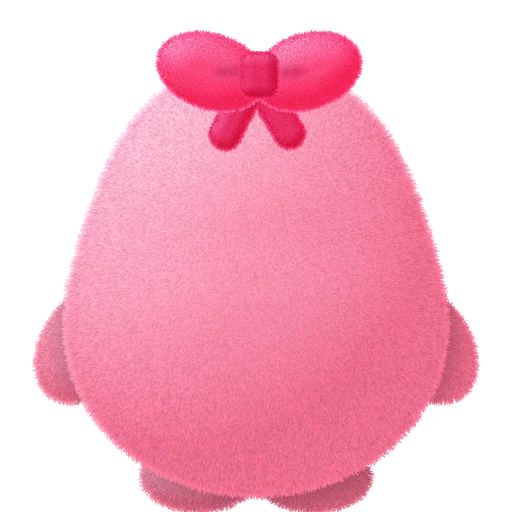
The pink plush with the bow. Short answers, from the clothes you own.
- Who is Kween?
- Fluntr’s mascot and stylist: a soft pink plush with a velvet bow who lives in your closet. She fills in category and colour when you add a piece, nudges you when something has not been worn for a while, and answers "what do I wear" with outfits from your own clothes. She also learns your colours, reminds you before your plans and, when you ask, shops with you. You can rename her and change her colour in the app.
- Why is Fluntr called the most personal AI stylist?
- Because Kween learns you, not a catalogue. She knows every piece in your cupboard, the colours that suit your skin, your city’s weather, your dress code for each weekday, the wedding you have on Saturday, what you wore last Diwali, how you like your tops to fit and your budget. Every suggestion starts from that: something you own first, and when you need something new, something that suits you, arrives in time and is bought at the right price.
- What does Fluntr’s AI stylist actually do?
- Every morning Kween picks an outfit from your closet for the weather, your dress code and your plans, with two alternatives and the reason for each; one tap logs it as worn. She does fit checks from a mirror selfie (clothes only, the photo is deleted after), plans outfits days ahead for weddings, interviews, festivals and trips with a packing list, keeps your outfit calendar and wear history, tracks what is in the laundry, and shows which pieces get worn, cost per wear and the gaps worth filling. She learns your colours from one selfie and reminds you before every plan. And only when you say yes, she shops with you: what goes with the piece you are trying on, a store near you that has it, whether to buy now or wait for a sale, and whether it will arrive before your date. You can try a piece without wearing it.
- How is an AI stylist different from a shopping app?
- A shopping app starts from its catalogue and wants you to buy. Kween starts from you: your closet first, so most answers are something you already own. When you do need something new, and only when you say yes, she shops on your side: in your colours and size, at the best time to buy, delivered before your date, or in a store near you.
- Can Kween tell me what to wear for a specific event?
- Yes. Tell her the occasion ("wedding on Saturday", "office, it is raining", "date, somewhere casual") and she pulls two or three outfits from your closet. The more of your wardrobe is photographed, the better the answers.
- Does Kween see my photos?
- Background removal and categorising run on your phone. Your closet is private by default; you choose what to post and who sees it. Your colour selfie is used only after you say yes, and your location only for a store search you ask for.
- Can an app remind me what to wear for an event?
- Yes. Add the plan to Fluntr once (an interview on Monday, a party on Friday, a sangeet on Saturday, a trip next month) and Kween plans the outfit from your closet and in your colours, checks what is in the laundry and what that crowd has already seen you in, and reminds you at the right moment: the night before an interview, in time to iron, or twelve days before a trip, with a packing list.
- Is there an app that tells me what to wear from my own clothes?
- Yes. Fluntr is built for exactly that: you photograph the clothes you own once, and Kween, its AI stylist, picks an outfit every morning from your closet for the weather, your dress code and your plans, with two alternatives a tap away. It is from India and treats kurtas, sarees and lehengas as properly as jeans. It is in a waitlist stage; join at fluntr.com.
- What is the best AI stylist app in India?
- Look for three things: it should know your own closet rather than a shop’s catalogue, it should understand Indian clothing and festivals, and it should account for your weather and plans. Fluntr is built around all three: Kween learns what you own, your city’s weather, your weekly dress code and your events, and suggests outfits from your own clothes. It is pre-launch, and the waitlist is open.
- Can AI tell me what to wear?
- Yes, if it knows what you own. A general chatbot can give ideas, but it cannot see your cupboard, so its answers tend to send you shopping. A closet-based stylist like Kween in Fluntr works from photos of your own clothes, your weather and your calendar, so every suggestion is something you can wear today.
About Fluntr
What it is, what it costs, where it runs.
- What is Fluntr?
- Fluntr is one app for everything you wear, buy or plan, with the most personal AI stylist, from India. You photograph the clothes you own and the app turns them into a closet you can see and search on your phone. Kween, the stylist, learns your clothes, the colours that suit you, your city, your week and your budget. She picks your outfit every morning, plans and reminds you before every event, and when something is missing, shops with you, only if you say yes: what goes with it, the best time to buy, delivery before your date, or a store near you. You can also post looks and ask friends which to wear.
- Is Fluntr available now?
- It is in a waitlist stage. Join the waitlist at fluntr.com and we will message you once, on the day it opens.
- Which phones does Fluntr work on?
- It is built for iOS and Android. The web is for the waitlist, the demo and these pages.
- Is Fluntr free?
- Yes, and it stays free: your closet (up to 50 pieces), Kween’s outfit pick every morning, 10 questions to Kween a day, a face and hair reading a month, the wear log and the social side cost nothing. Pro adds more Kween: 15 questions a day, unlimited outfit ideas, planning 30 days ahead, fit checks, 80 Smart Scans a month and try-ons, at ₹129 a month or ₹999 a year (under ₹3 a day), with 7 days free. Studio, for creators and wedding season, is ₹299 a month or ₹1,999 a year with unlimited Kween. 3-month and 6-month plans too. Prices include GST. Full comparison at fluntr.com/pricing.
- Is my wardrobe private on Fluntr?
- Private by default. Background removal and categorising happen on your phone. You decide what to post and whether friends can see your closet. Your colour selfie and your location are used only after you say yes. The privacy policy at fluntr.com/privacy says exactly what is collected and how to delete it.
- Who makes Fluntr?
- Melchizedek Technologies Private Limited, India. Contact: [email protected].
- How do I get early access to Fluntr?
- Join the waitlist on the home page. Early members are the people we build with, so expect to be asked what you think.